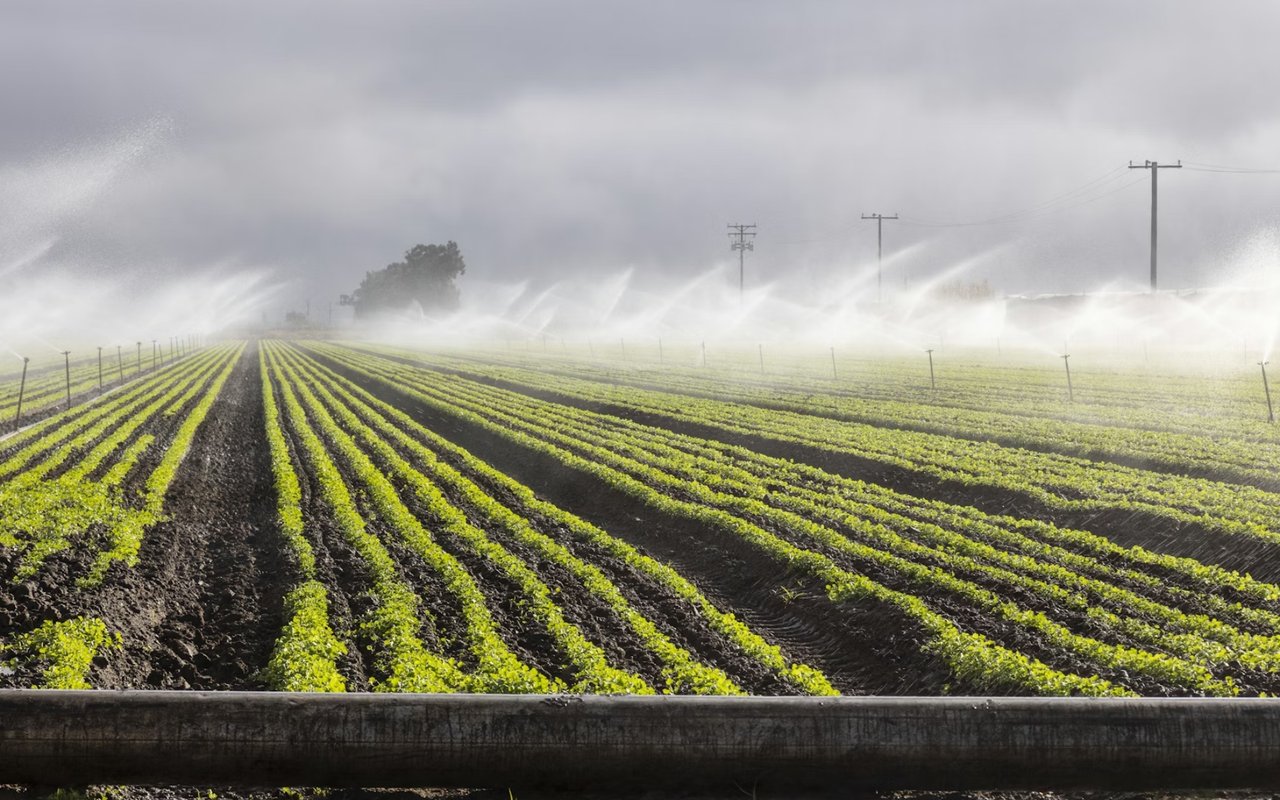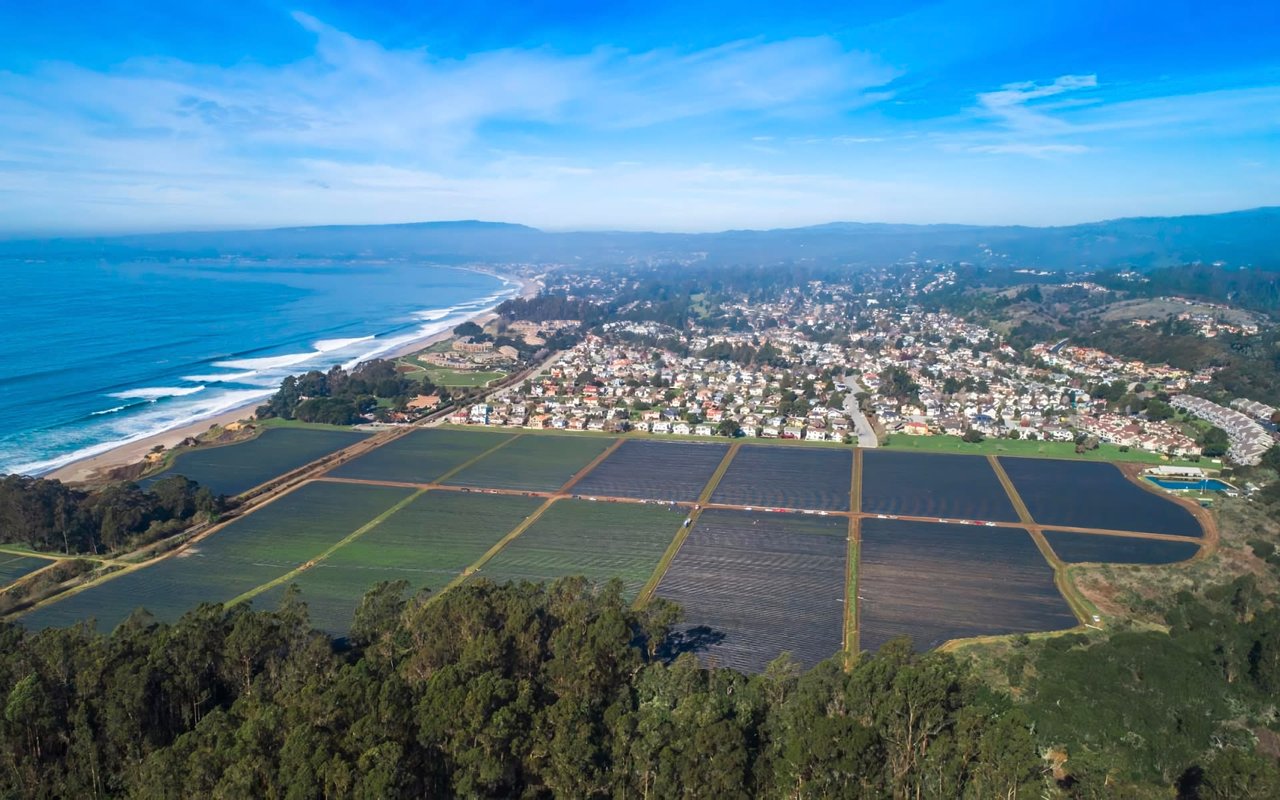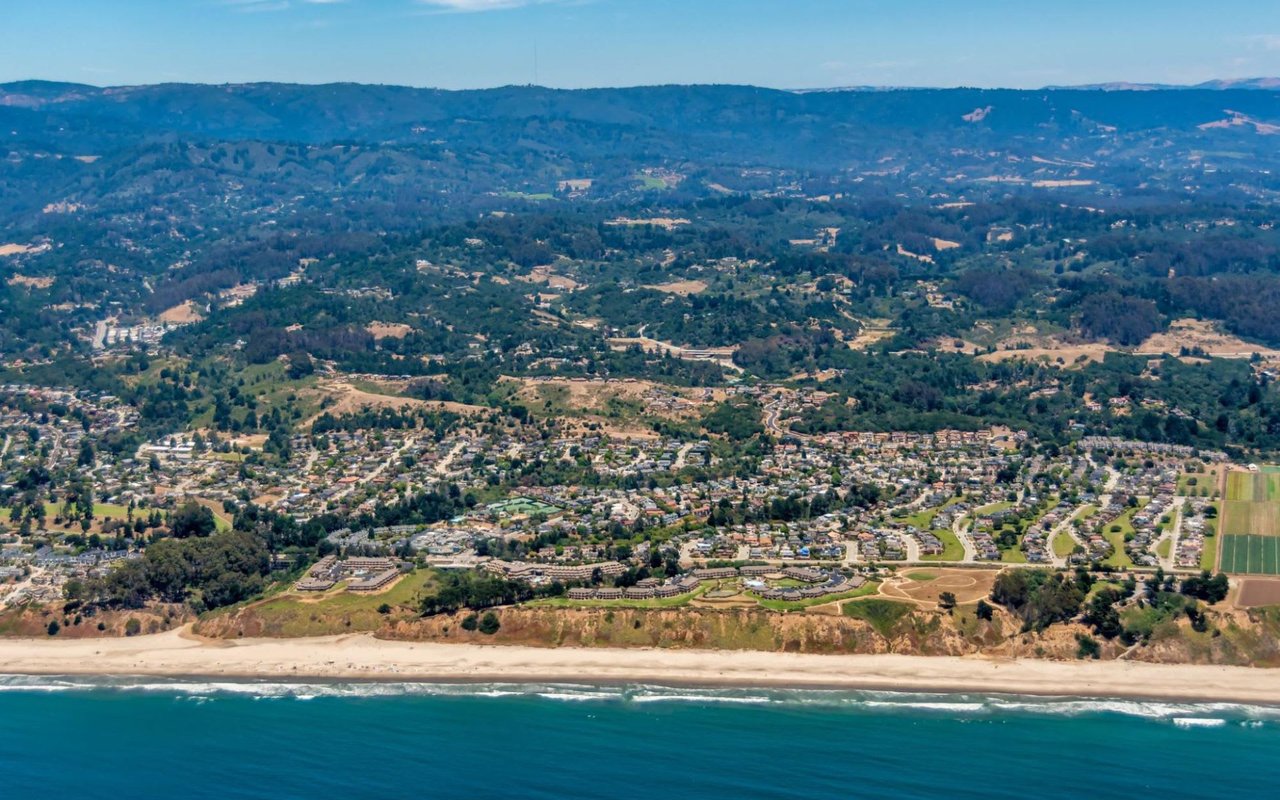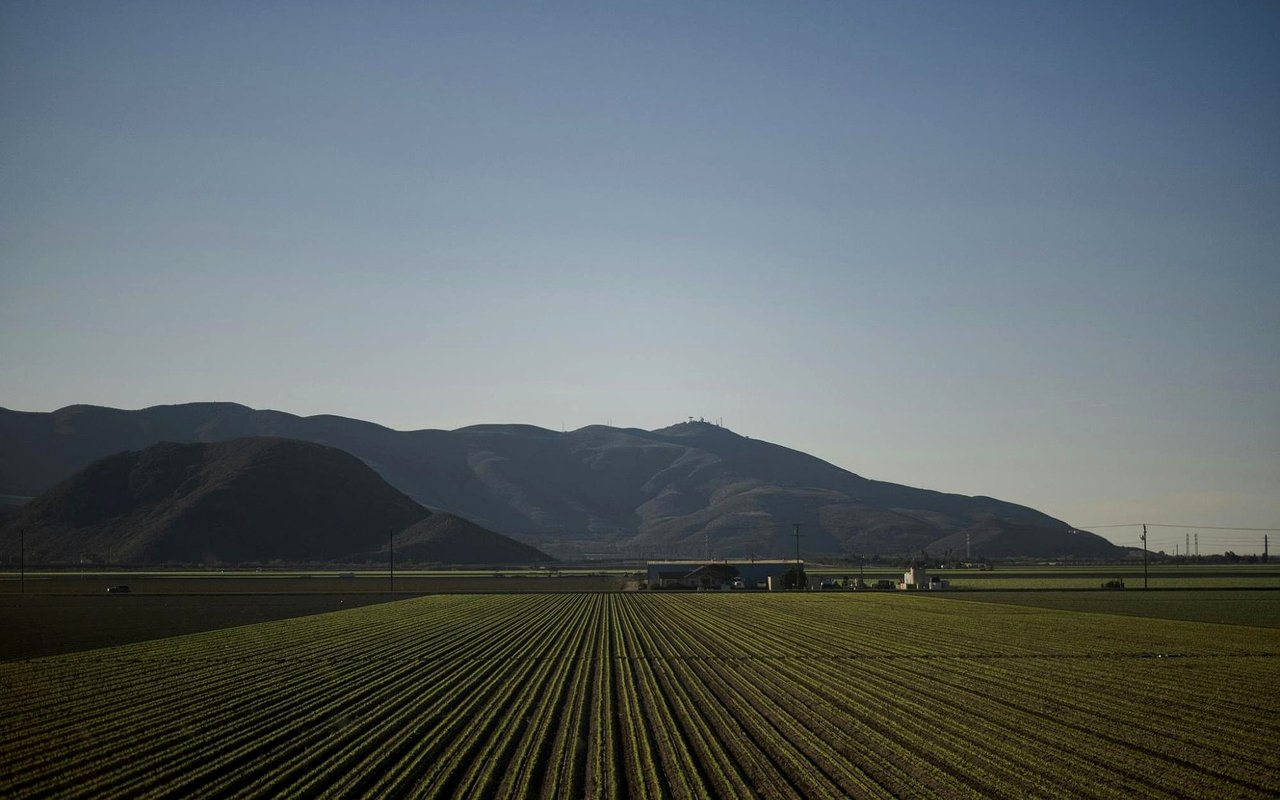
Salinas Valley, a globally renowned agricultural corridor, thrives on the strength of its soil and a deliberate network of zoning laws and land-use regulations that protect it. Such protections keep the region's lush rows of lettuce, broccoli, and strawberries from becoming massive housing developments or endless tracts of retail and commercial properties.
But the regulations cover more than just the crops in the ground. They dictate who can occupy the land, what can be built on it, and how farms and agricultural operations interact with Monterey County's rapidly growing population. Whether you're a landowner, prospective investor, or operator in the agri-business sector, understanding how zoning works in the Salinas Valley is critical.
Why Zoning Matters in Salinas Valley
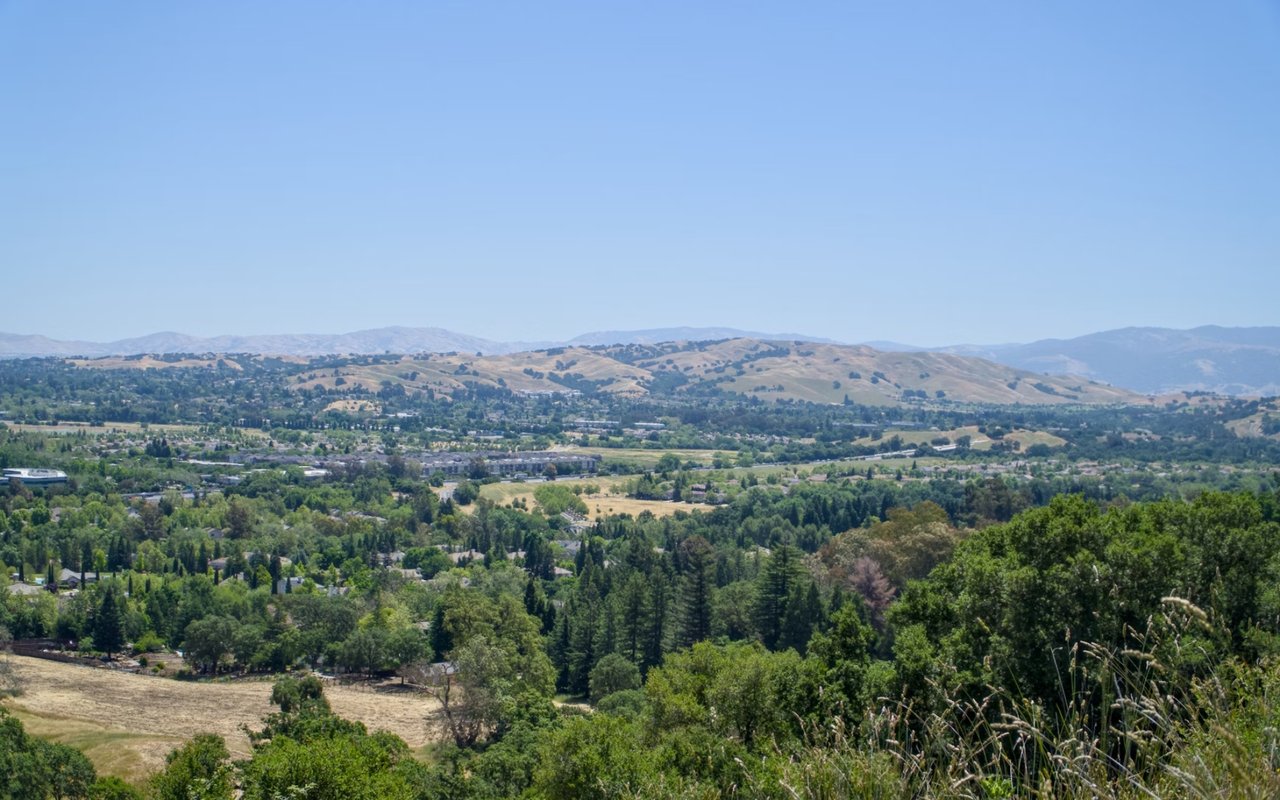
Given California's intense real estate pressure, zoning laws in the Salinas Valley serve as a protective shield against urban expansion. These rules preserve the valley's agricultural purpose by regulating development, dissuading non-agricultural encroachment, and maintaining viable, productive farmland.
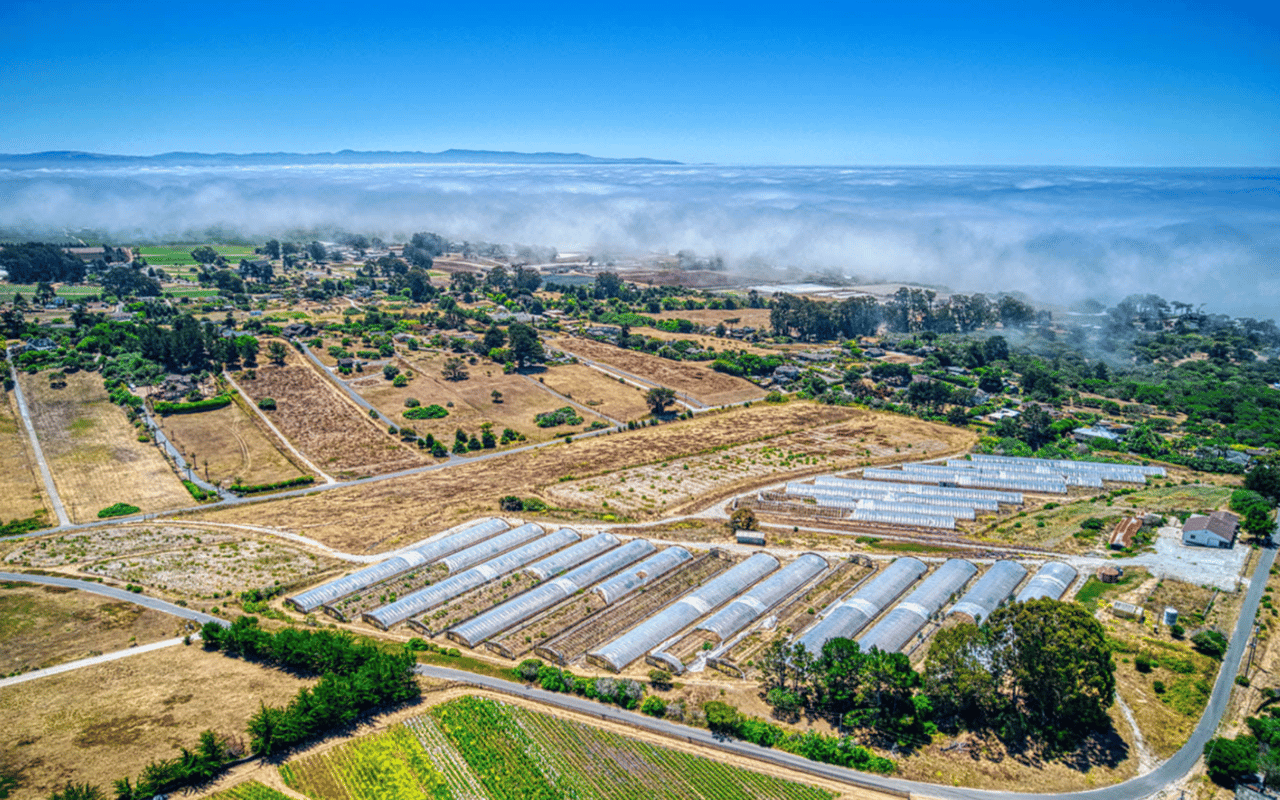
At the heart of this framework are the Agriculture and Farmland zones, which cover roughly 250,000 acres. The zoning classifications support broad-based farming activities, including crop cultivation, livestock and grazing, greenhouses, and barns, and ensure parcels remain large enough to support agricultural enterprise.
At the heart of this framework are the Agriculture and Farmland zones, which cover roughly 250,000 acres. The zoning classifications support broad-based farming activities, including crop cultivation, livestock and grazing, greenhouses, and barns, and ensure parcels remain large enough to support agricultural enterprise.
Core Agricultural Zones and What They Mean
Agricultural land in the Salinas Valley falls under two primary zoning designations within Monterey County: "A" (Agricultural) and "F" (Farmland). These zones are central to the county's long-standing effort to preserve prime agricultural land and safeguard the viability of the region's farming economy.
A – Agricultural Zoning District
The "A" zoning district is Monterey County's most broadly applied designation for land dedicated to agricultural production. This zoning supports a wide range of soil-dependent agrarian uses, including row crops and vineyards, as well as grazing and livestock operations.
Key characteristics of the "A" District include:
Key characteristics of the "A" District include:
- Primary Uses: Farming, ranching, orchards, vineyards, and other soil-dependent operations. Facilities such as barns, silos, and equipment storage buildings are typically permitted by right if directly tied to agricultural use.
- Farmworker Housing: Allowed under specific conditions, including parcel size minimums and connection to an active agricultural operation. Farm labor camps and employee mobile homes often require conditional permitting, depending on scale.
- Residential Limitations: Generally limited to one single-family dwelling per legal lot, usually intended for the owner or a key agricultural employee. Additional units may be permitted if tied to the farm's operational needs.
- Setbacks and Development Standards: Minimum setbacks from property lines vary but typically range from 20 to 30 feet. These help mitigate potential conflicts between farm operations and adjacent properties, particularly where residential or non-agricultural zones border farmland.
F – Farmland Zoning District
The "F" designation represents land recognized for its prime agricultural soils or exceptional farming value. Often overlapping with areas under Williamson Act contracts or long-term conservation efforts, this zoning carries even tighter restrictions on non-agricultural uses and subdivisions.
- Minimum Parcel Sizes: While the county does not apply a universal parcel minimum, farmland parcels often start at 40 acres or more to ensure long-term viability and discourage fragmentation. Subdividing these parcels for residential or speculative development is generally discouraged.
- Permitted Uses: Limited primarily to commercial agriculture and essential support functions. Secondary activities, such as roadside stands or value-added processing facilities, may be conditionally allowed if they remain tied to the farm's core output.
- Environmental Sensitivity: F-zoned areas may be subject to heightened review for grading, land disturbance, or new construction, particularly when located near wetlands, sensitive habitats, or groundwater zones.
These zoning districts ensure that the Salinas Valley's most productive acreage remains dedicated to its original purpose of farming while enabling landowners to responsibly support their operations with housing, storage, and basic infrastructure.
Additional Land Use Regulations You Should Know
Beyond core zoning designations, Monterey County imposes a variety of land use regulations that directly shape what can be built, operated, or expanded on agricultural land in the Salinas Valley. These regulations reflect the county's dual goals: preserve agricultural integrity and minimize conflict between land uses.
- Farmworker and Agricultural Housing: Housing for farm laborers is permitted in both the A and F zoning districts, but only when clearly associated with a working agricultural operation. Permits vary by scale, with small-scale housing often easily approved and larger developments generally requiring a use permit and environmental review.
- Accessory and Supportive Structures: Monterey County permits a wide array of non-residential agricultural structures provided they link directly to the functioning of the land. These include barns, pole barns, greenhouses, irrigation sheds, cold storage facilities, fencing, and water tanks. The level of permitting is typically based on size.
- Setbacks and Agricultural Buffers: To reduce land-use conflicts, especially where agriculture meets residential or rural development, Monterey County imposes standard setbacks and buffer zones along the boundary between agriculture and residential or rural development.
In addition, the Right-to-Farm Ordinance further protects growers by formally recognizing agriculture as the primary use in these zones and limiting nuisance claims from adjoining properties that knowingly build near active farms.
Why Local Expertise Makes All the Difference
The valley's open space, agricultural productivity, and rural heritage exist not by accident but by design. Monterey County's zoning and land-use regulations ensure that farming remains not only viable but also dominant, even as the state's growth challenges intensify.
For those investing, living, or working in this region, understanding and respecting these rules contributes to the stewardship of one of California's most vital and iconic landscapes.
If you're interested in discovering more about investing in real estate in Salinas Valley, contact Team Zach Properties today.
For those investing, living, or working in this region, understanding and respecting these rules contributes to the stewardship of one of California's most vital and iconic landscapes.
If you're interested in discovering more about investing in real estate in Salinas Valley, contact Team Zach Properties today.