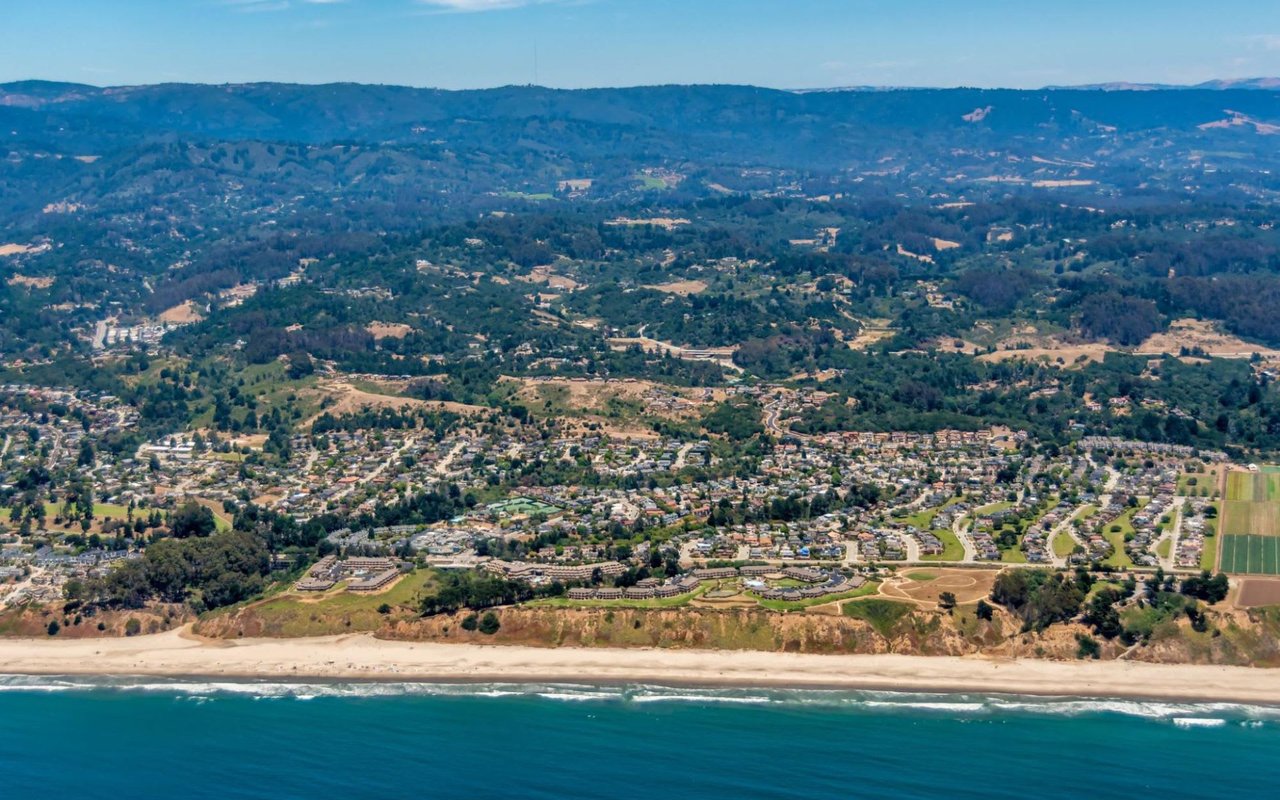
Pajaro Valley occupies a rare position along California's Central Coast. Productive, climate-stable, and historically agricultural, the region has long supported some of the state's highest-value crops. At the same time, evolving water policy, conservation priorities, and long-term land stewardship goals have put land in the valley at a premium. For investors considering farmland here, success depends less on speculation and more on careful evaluation and due diligence.
Farmland in Pajaro Valley near Watsonville and La Selva Beach is not a short-term play. Understanding current opportunities and what makes one parcel more valuable or productive than another is key to ensuring long-term viability. It is a generational asset class, one that rewards patient capital, thoughtful due diligence, and a willingness to engage deeply with the land itself. Below is a guide for what to consider when evaluating farmland investment opportunities in the Pajaro Valley.
Water
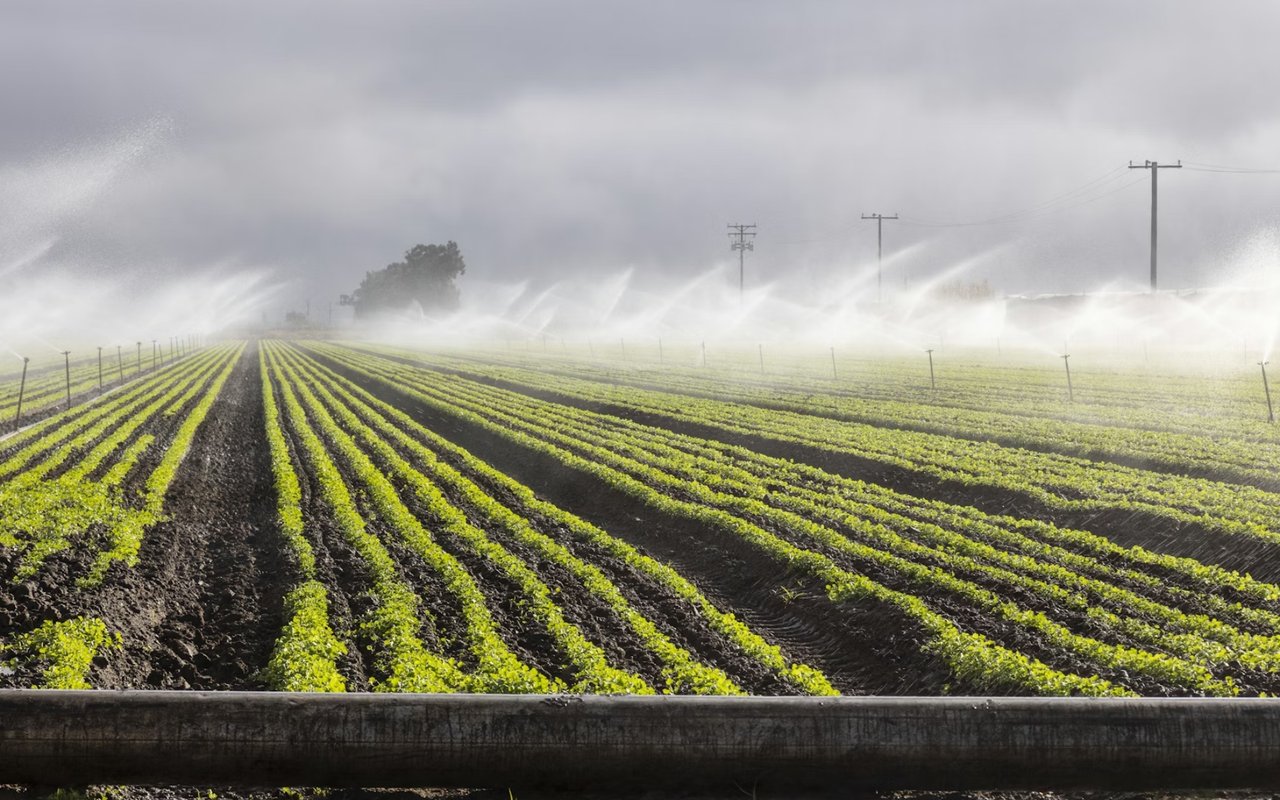
In Pajaro Valley, water is the real estate equivalent of location and a critical factor in securing a wise investment. Groundwater has historically powered the region's agricultural productivity, but decades of overdraft and saltwater intrusion have made water management a central concern.
Any farmland evaluation should begin with a clear understanding of the Pajaro Valley Water Management Agency (PVWMA). The agency oversees groundwater extraction, supplemental water programs, and long-term recharge initiatives designed to stabilize aquifers and protect agricultural viability. These rules directly affect operating costs and long-term planning.
On a parcel-by-parcel basis, investors should assess well capacity, historical pumping records, and participation in supplemental water programs. Some properties may also have access to recycled water or surface water rights, which can materially improve reliability and reduce exposure to future regulatory tightening. In a region where water rights and security increasingly separate strong assets from vulnerable ones, this knowledge is essential.
Soil and Microclimate
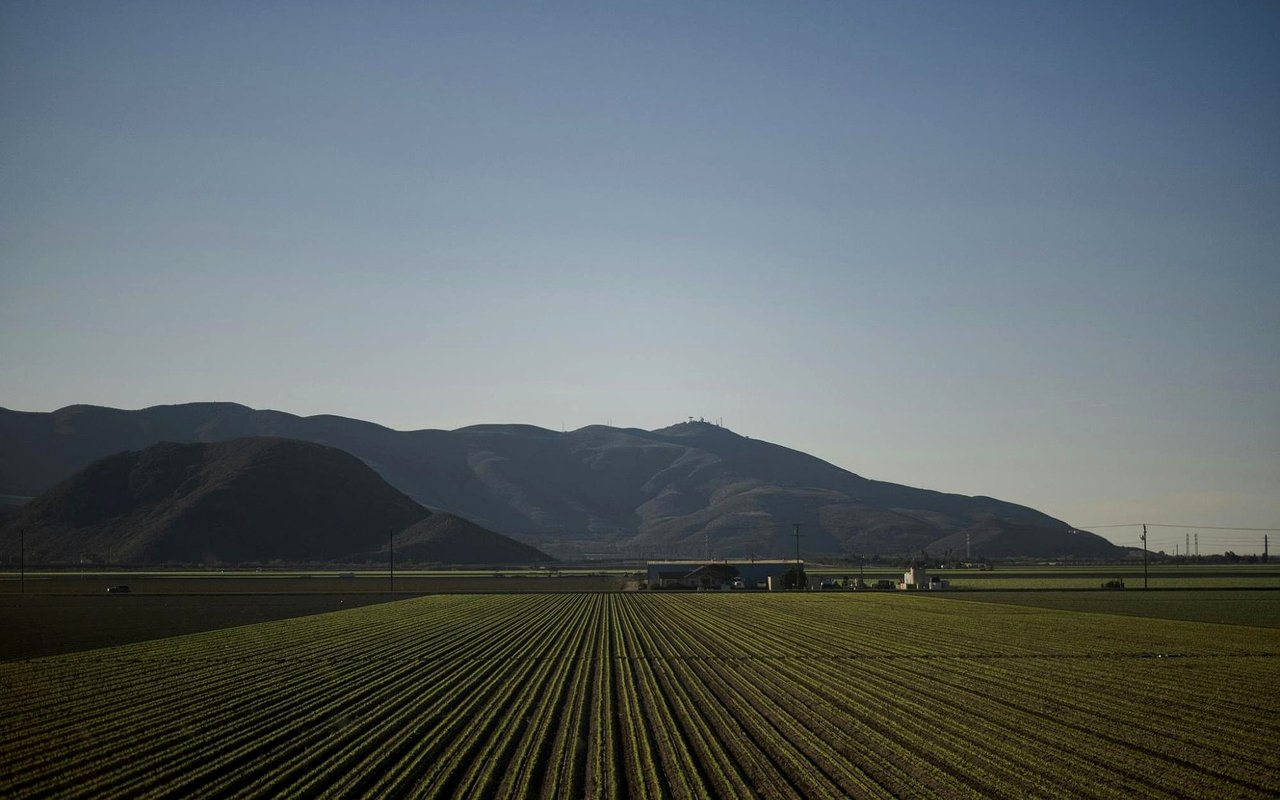
The Pajaro Valley's reputation for productivity is well earned. Deep, fertile soils and a steady coastal climate have supported intensive agriculture for generations. Still, not all acreage performs equally.
Soil composition, drainage, organic matter, and salinity levels should be evaluated in relation to intended crops. Subtle differences in elevation and coastal influence create microclimates that can favor specific plantings while limiting others. These details matter when assessing both yield potential and operating risk.
Rather than viewing soil quality as a static feature, experienced investors treat it as a long-term asset that they can enhance through proper management, cover cropping, and regenerative practices that align with both productivity and conservation goals.
Crop Viability and Market Demand
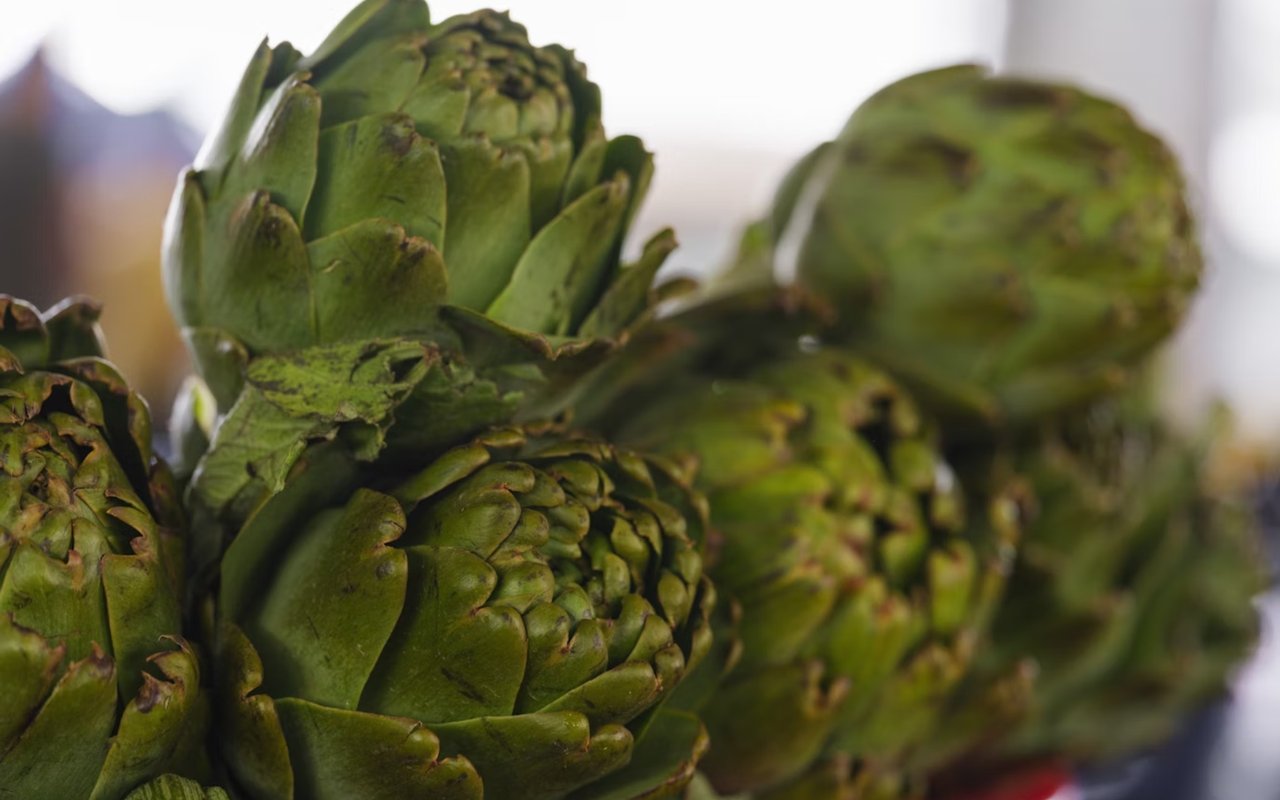
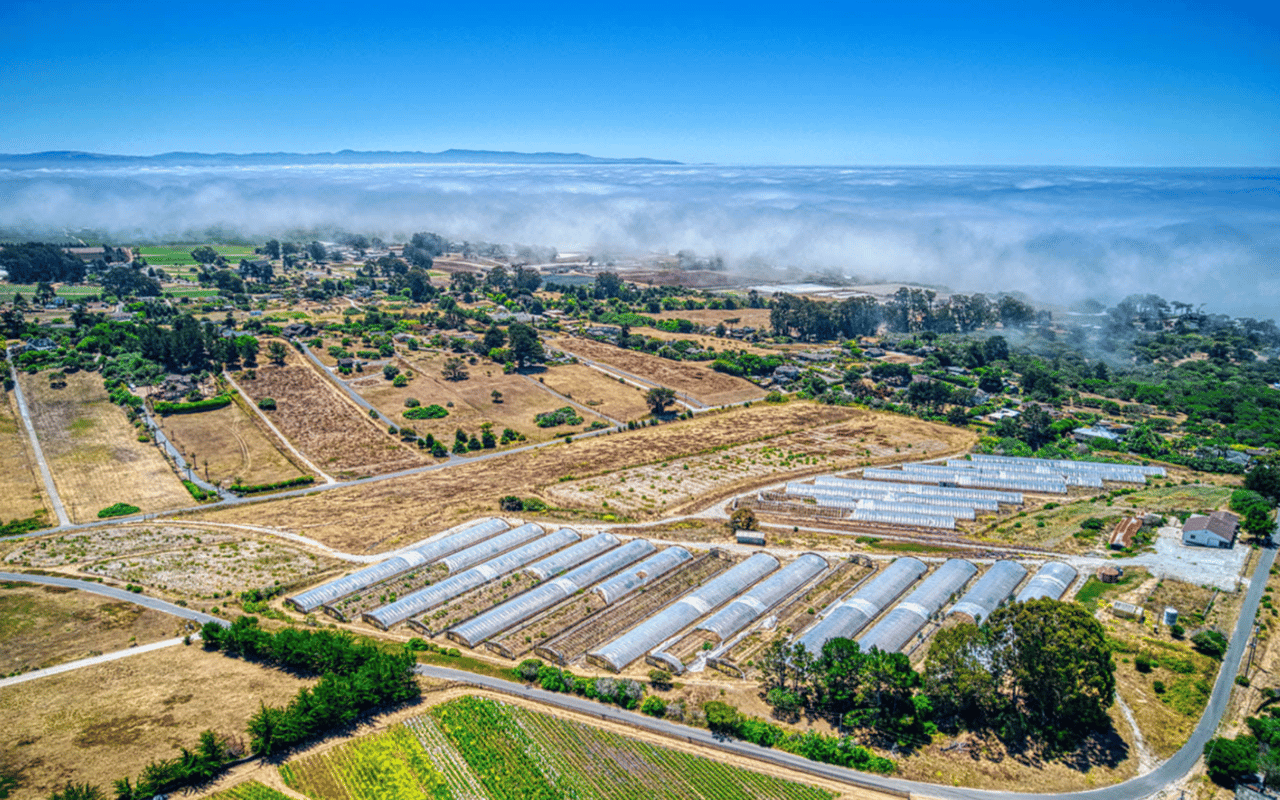
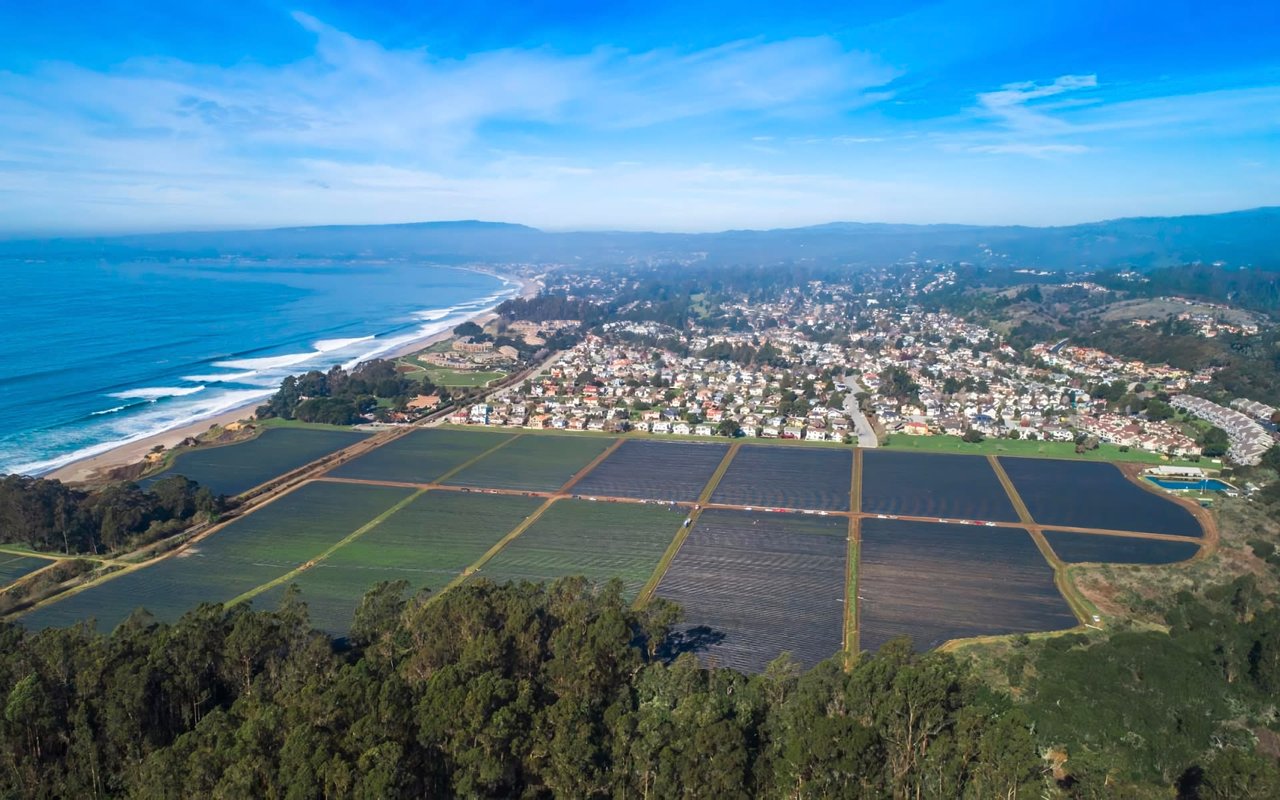
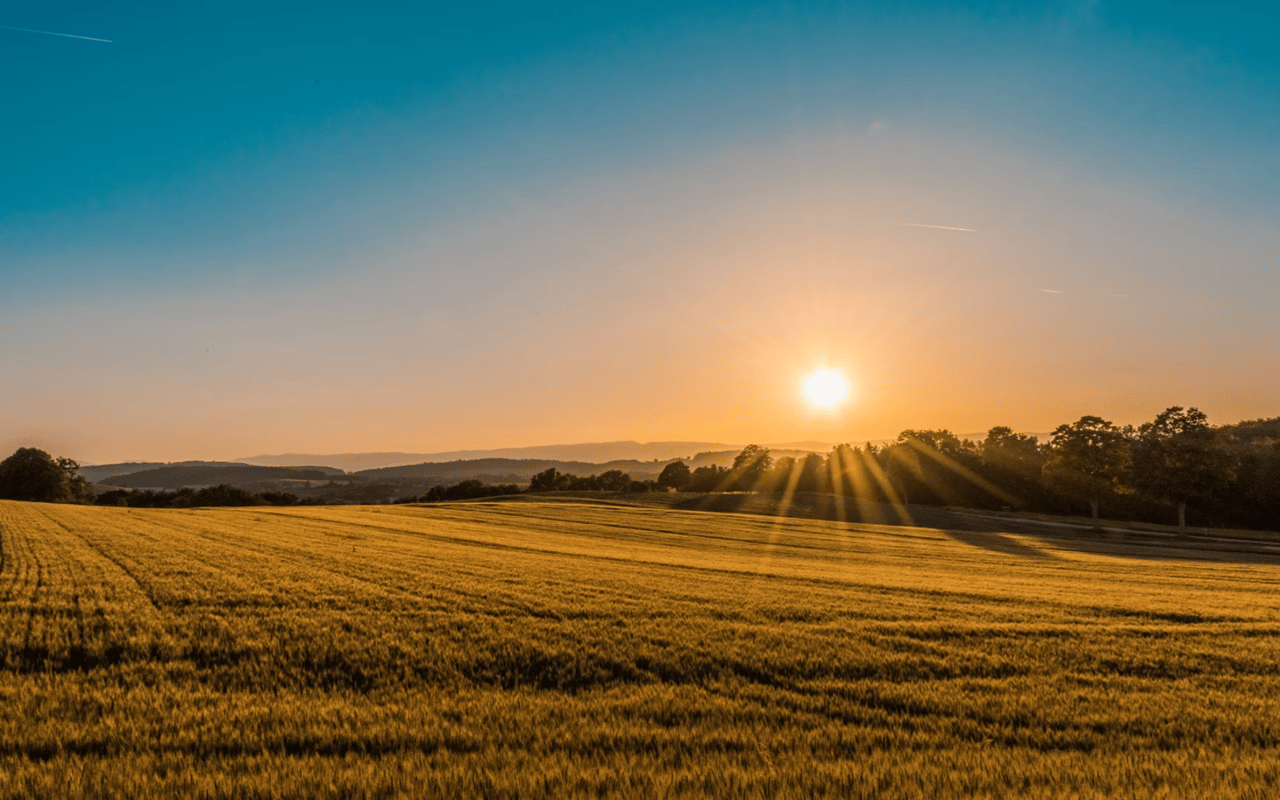
Pajaro Valley is best known for high-value specialty crops. Strawberries dominate the landscape, supported by lettuce, broccoli, artichokes, apples, flowers, and, in recent years, cannabis. These crops benefit from strong domestic demand and established distribution channels, but they also require careful cost management and experienced operators.
When evaluating farmland, investors should examine historical crop performance on or near the property and broader market trends. The goal is not simply to identify what grows well, but what remains competitive over time.
For non-operating investors, leasing to established growers is a common strategy. Lease rates vary by crop type, water access, and soil quality, but they can provide steady, predictable income while transferring operational responsibility to experienced hands.
Diversified Income Opportunities
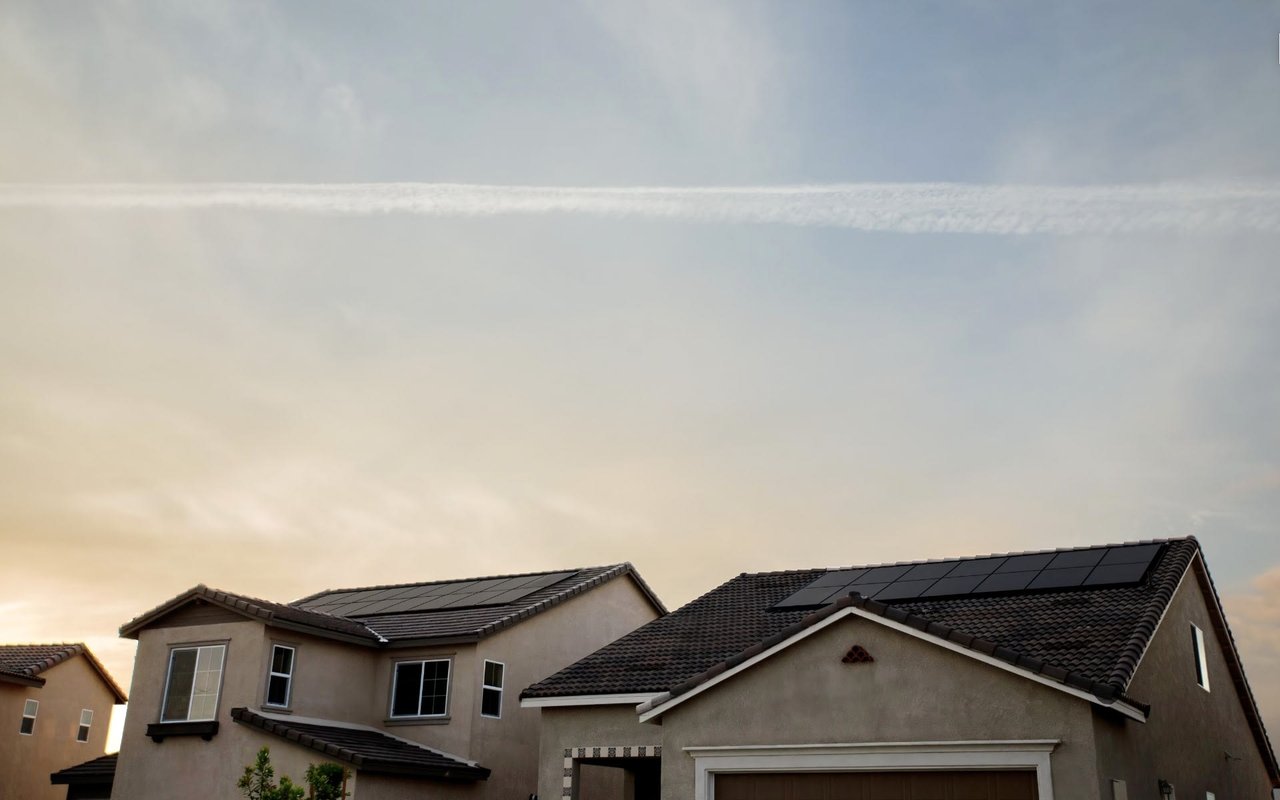
Increasingly, the strongest farmland investments are those supporting diversified revenue streams. In Pajaro Valley, this includes solar leasing on marginal acreage, habitat restoration projects funded by grants, and limited recreational uses permitted by zoning.
Properties that support "multi-benefit" outcomes, combining agricultural production with water quality improvements, flood mitigation, or habitat preservation, are exceptionally well-positioned. These projects often align with county and regional initiatives, unlocking access to public or private funding that enhances overall returns.
While diversification should never compromise core agricultural viability, it can meaningfully improve long-term resilience and cash flow.
Financial Analysis
Assessing farmland is as much about predicting future performance as it is about measuring current conditions. Sophisticated investors look beyond comparable sales and evaluate Net Present Value (NPV) and Internal Rate of Return (IRR) based on realistic assumptions about yields, costs, water pricing, and lease income.
Upfront costs need thoughtful budgeting. These often include surveys, soil testing, water studies, and regulatory reviews—expenses that are modest relative to land value but critical to informed decision-making.
Tax considerations also play a role. Participation in California's Williamson Act, where applicable, can significantly reduce property taxes in exchange for maintaining agricultural use. Understanding eligibility and contract terms is an integral part of the financial picture.
Conservation, Easements, and Long-Term Stewardship
Pajaro Valley has a strong culture of land conservation, supported by local land trusts and regional planning initiatives. Conservation easements already protect some farmland; other parcels may offer opportunities to pursue them.
For investors aligned with long-term stewardship, conservation easements can provide tax benefits while preserving agricultural use and ecological function. They can also shape future exit strategies and require careful evaluation in the context of overall investment goals.
Uncover Your Next Pajaro Valley Investment with a Trusted Local Real Estate Partner
Perhaps more than any spreadsheet metric, local knowledge determines success in Pajaro Valley farmland investing. Water regulations, land-use policies, and even informal growing practices vary across the valley.
Working with professionals who specialize in Central Coast farmland—agents, water consultants, agronomists, and land-use attorneys—can surface issues and opportunities that are not immediately visible. This expertise is particularly valuable when assessing parcels affected by water constraints or potential regulatory changes.
If you're interested in discovering more about Pajaro Valley farmland opportunities, contact Team Zach Properties today.